Building your first house is a project most people do exactly once, which means most of the lessons get learned the expensive way, in the middle of someone else's project. Here are the mistakes we see most often, and how to sidestep each one.
Why First-Time Homeowners Struggle With This
Construction has a lot of sequential, interdependent decisions, and most first-time homeowners simply haven't seen the downstream consequences of an upstream shortcut before. None of the mistakes below are about lack of effort; they're about not yet knowing which decisions are expensive to reverse.
Mistake 1: Starting Construction Before Design Is Finalized
Building against a design that's "mostly done" feels like it saves time. In practice, every change made after work has started costs more, in materials, labour, and delay, than the same change made on paper. A fully finalized architectural plan before ground is broken is the single biggest lever against cost overruns.
Mistake 2: Underestimating the Total Budget
Homeowners often budget for construction alone and forget architecture fees, interiors, approvals, and furnishing, then are surprised when the "total" cost runs well past the construction number. Planning these as separate, explicit line items from the start avoids this.
Mistake 3: Choosing a Contractor on Price Alone
The lowest quote often gets there by cutting material grade, skipping steps, or planning to raise costs through change orders later. Comparing quotes on specification, not just the bottom line, is what actually protects your budget.
Mistake 4: Skipping Structural Approval
Building without sanctioned drawings to save time or money creates legal exposure, resale complications, and, in some cases, demolition risk. This is not a corner worth cutting under any circumstances.
Mistake 5: Not Finalizing Electrical and Plumbing Points Early
Switchboard positions, appliance points, and bathroom fixture locations need to be locked before plastering. Adding or moving a point afterward means breaking finished walls, one of the most common and most avoidable sources of rework.
Mistake 6: Making Frequent Mid-Construction Changes
A layout tweak that takes five minutes on a drawing can take days and real money once walls are built. Where possible, resolve design uncertainty before construction starts rather than during it.
Mistake 7: Ignoring Site Supervision
Whether it's you, your architect, or a dedicated site supervisor, someone needs to be physically checking work quality regularly. Issues caught early (a reinforcement error, a wrong tile batch) are cheap to fix; the same issues caught after the next stage covers them over are not.
Mistake 8: Treating Interiors as an Afterthought
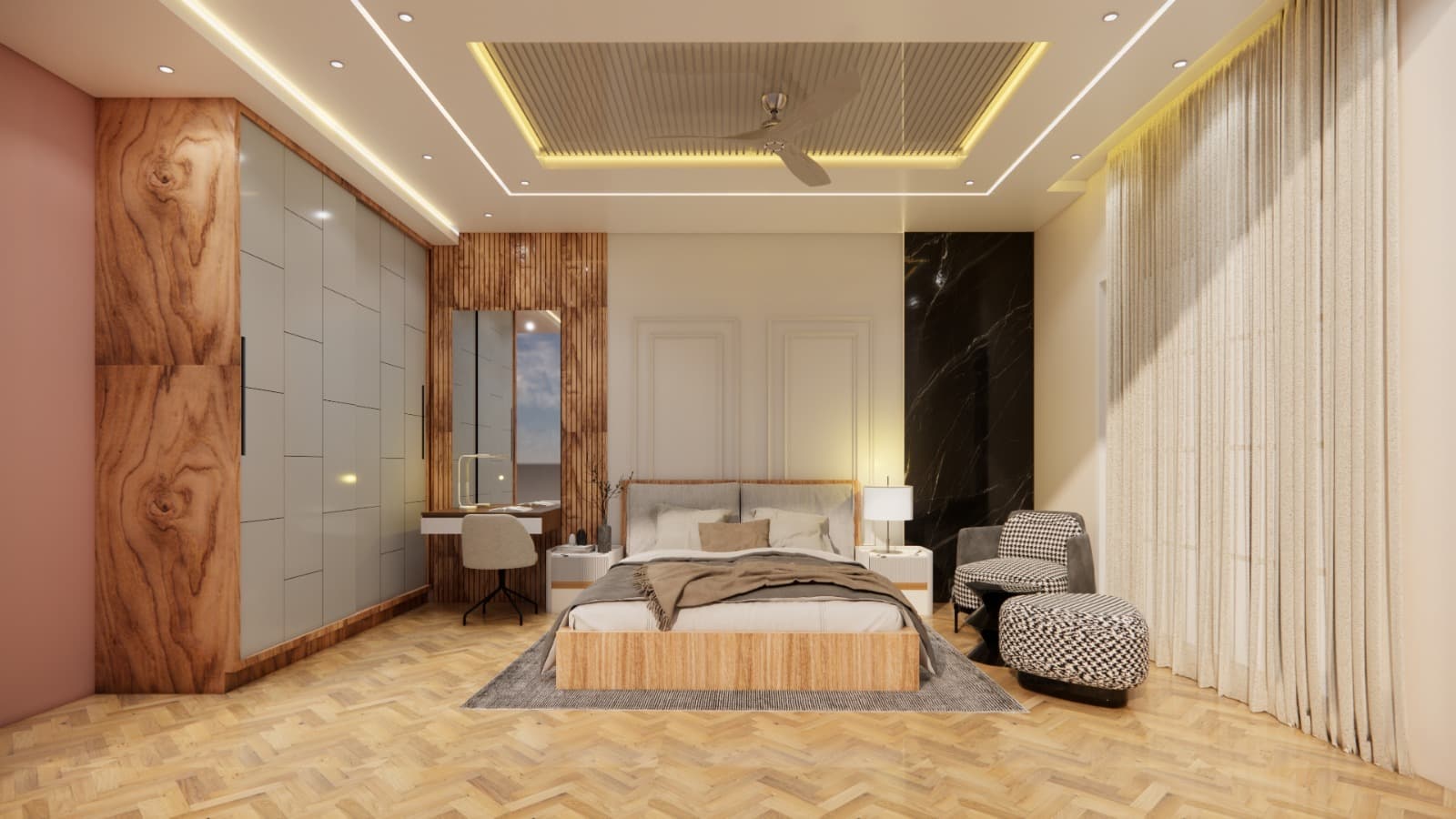
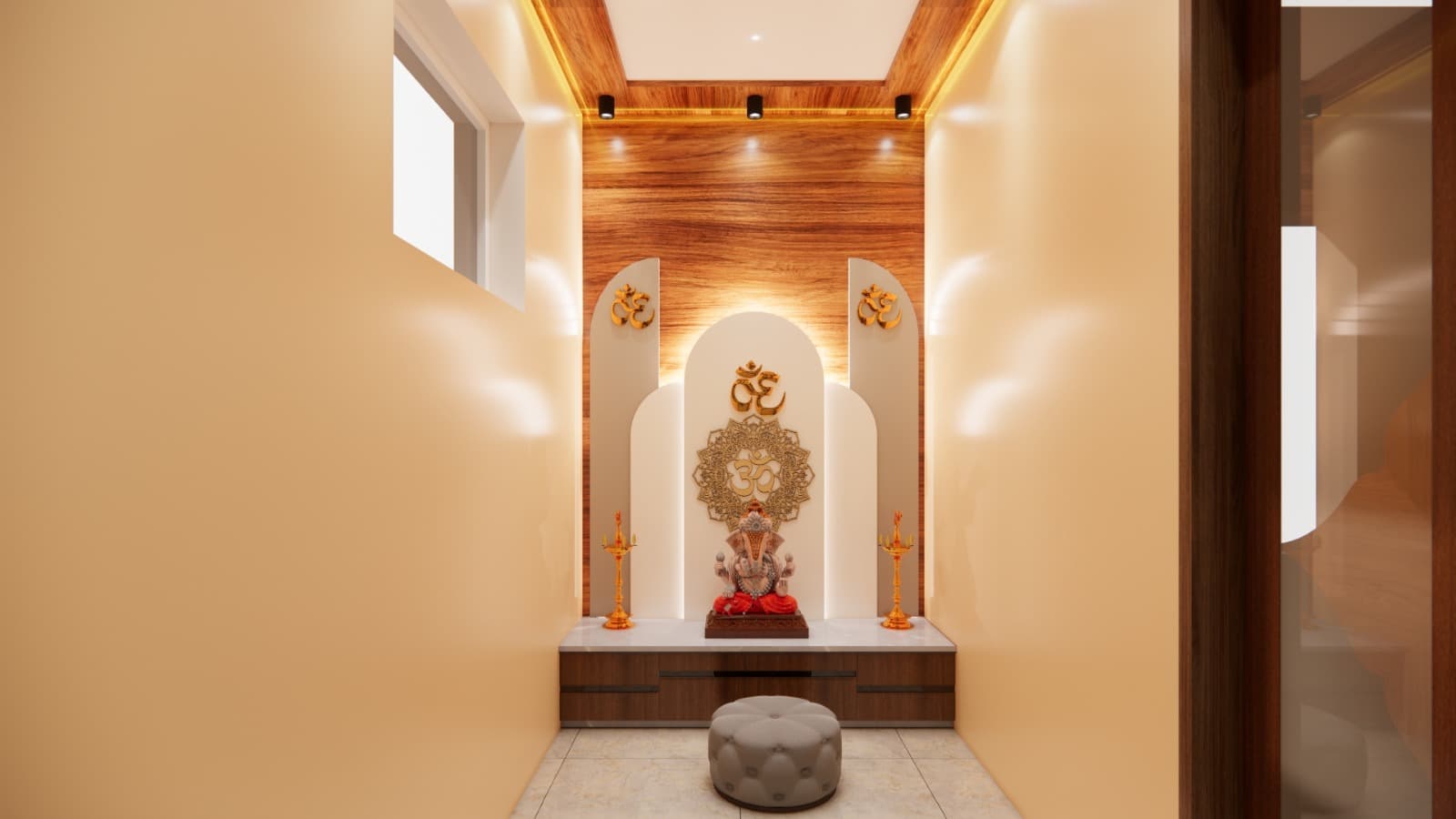
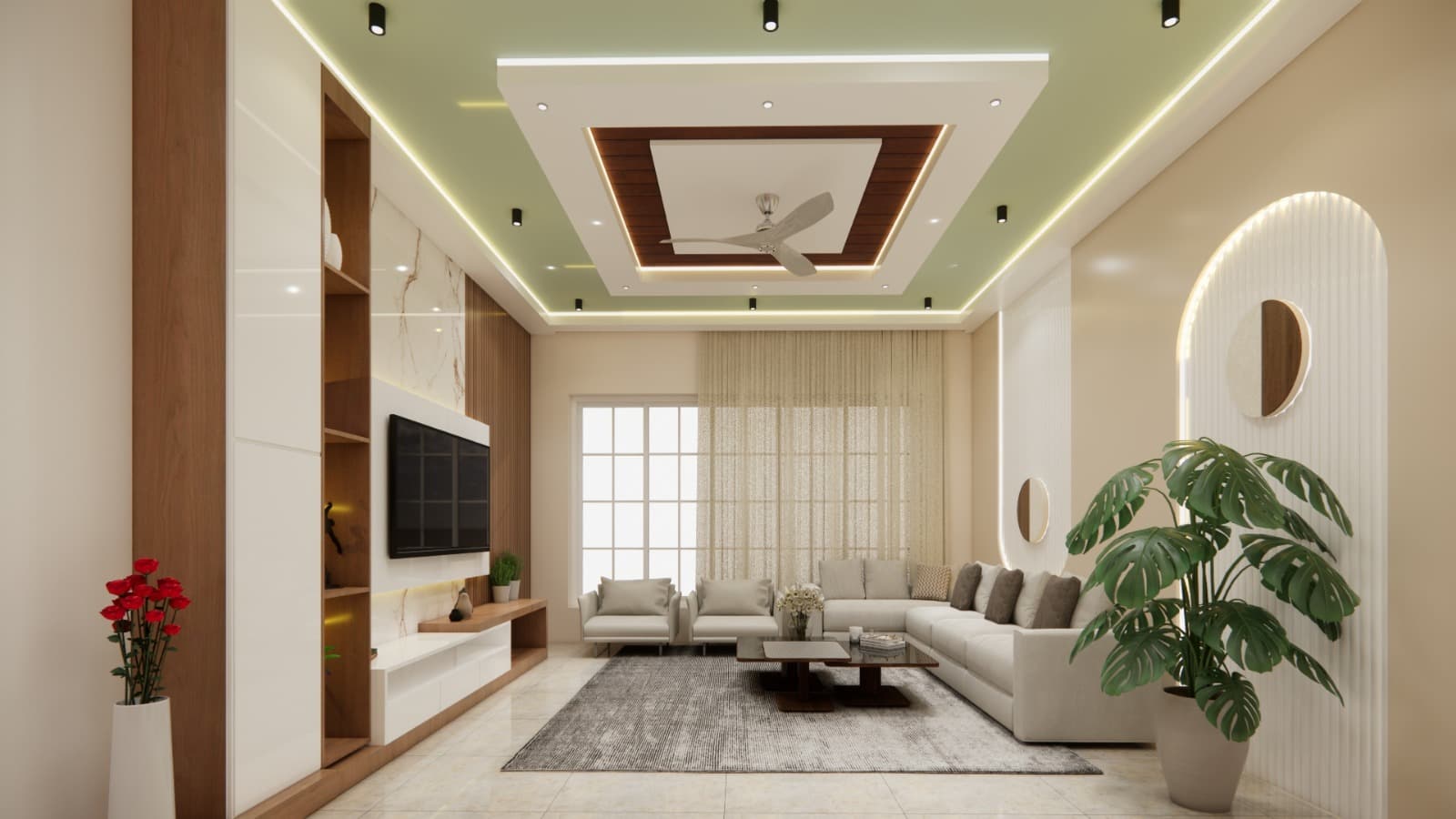
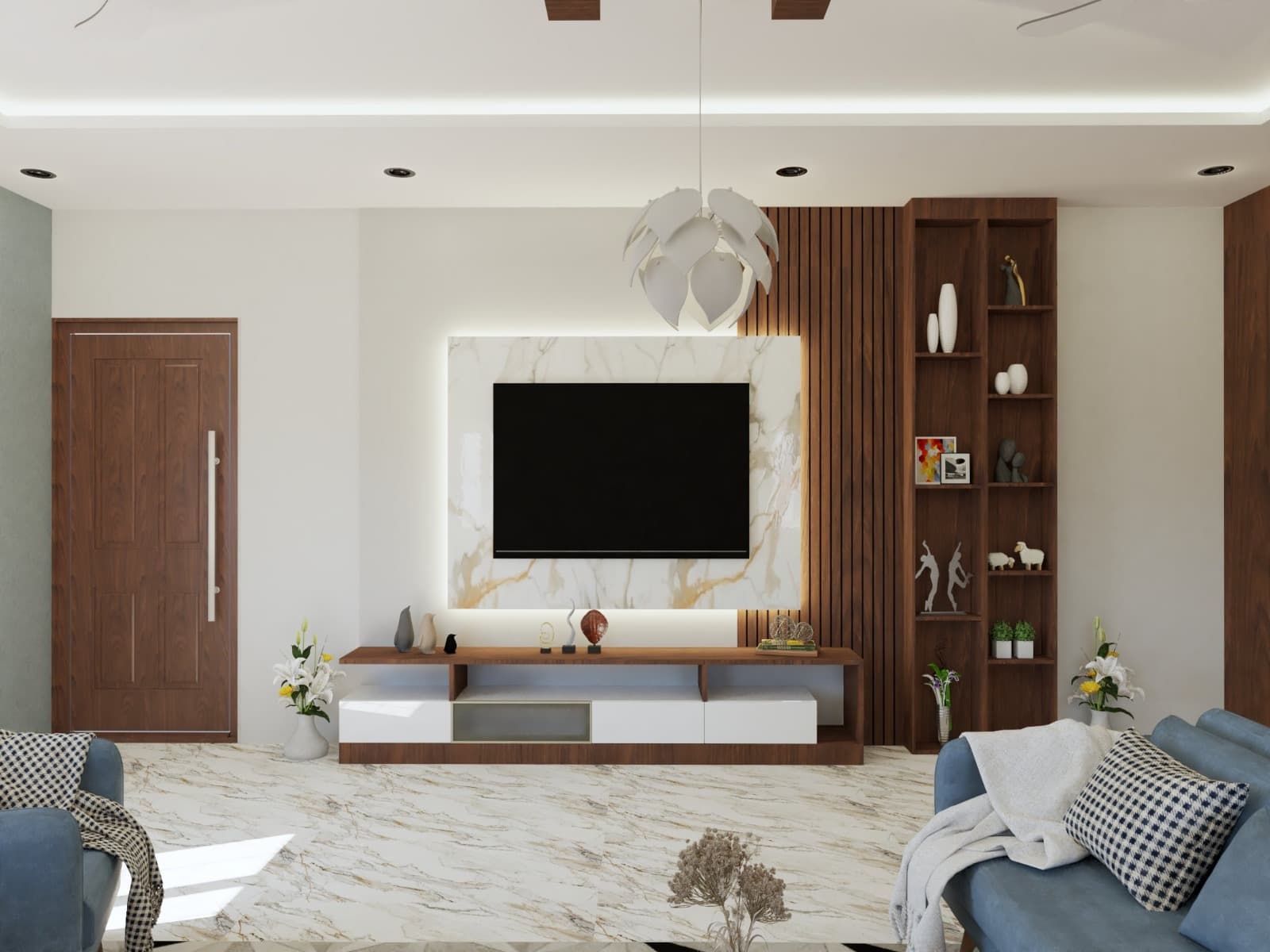
Ceiling heights for false ceilings, kitchen platform dimensions, and wardrobe niches are far easier and cheaper to build into the civil work than to retrofit later. Bringing interior design into the conversation alongside architecture, not after construction ends, avoids this.
Mistake 9: No Contingency Budget
Site conditions and specification upgrades mid-project are common enough that a construction budget with zero buffer tends to force rushed, compromised decisions the moment something unexpected comes up.
Mistake 10: Not Getting Everything in Writing
Scope of work, specifications, payment schedules, and timelines should all be documented, not agreed verbally. Written agreements are what protect both sides when memory of a verbal conversation gets fuzzy eight months into a project.
How to Avoid Most of These at Once
| Root Cause | Fix |
|---|---|
| Rushing into construction | Finalize design and structural approval fully first |
| Incomplete budgeting | Separate construction, architecture, interiors, and contingency as distinct line items |
| Unclear scope | Get specifications and payment schedules in writing |
| No oversight | Ensure regular site supervision, whether personal or professional |
Most of these trace back to one thing.
Want to avoid these mistakes on your project?
Talk to our team before you start, we'll help you plan the design, budget, and scope properly from day one.